

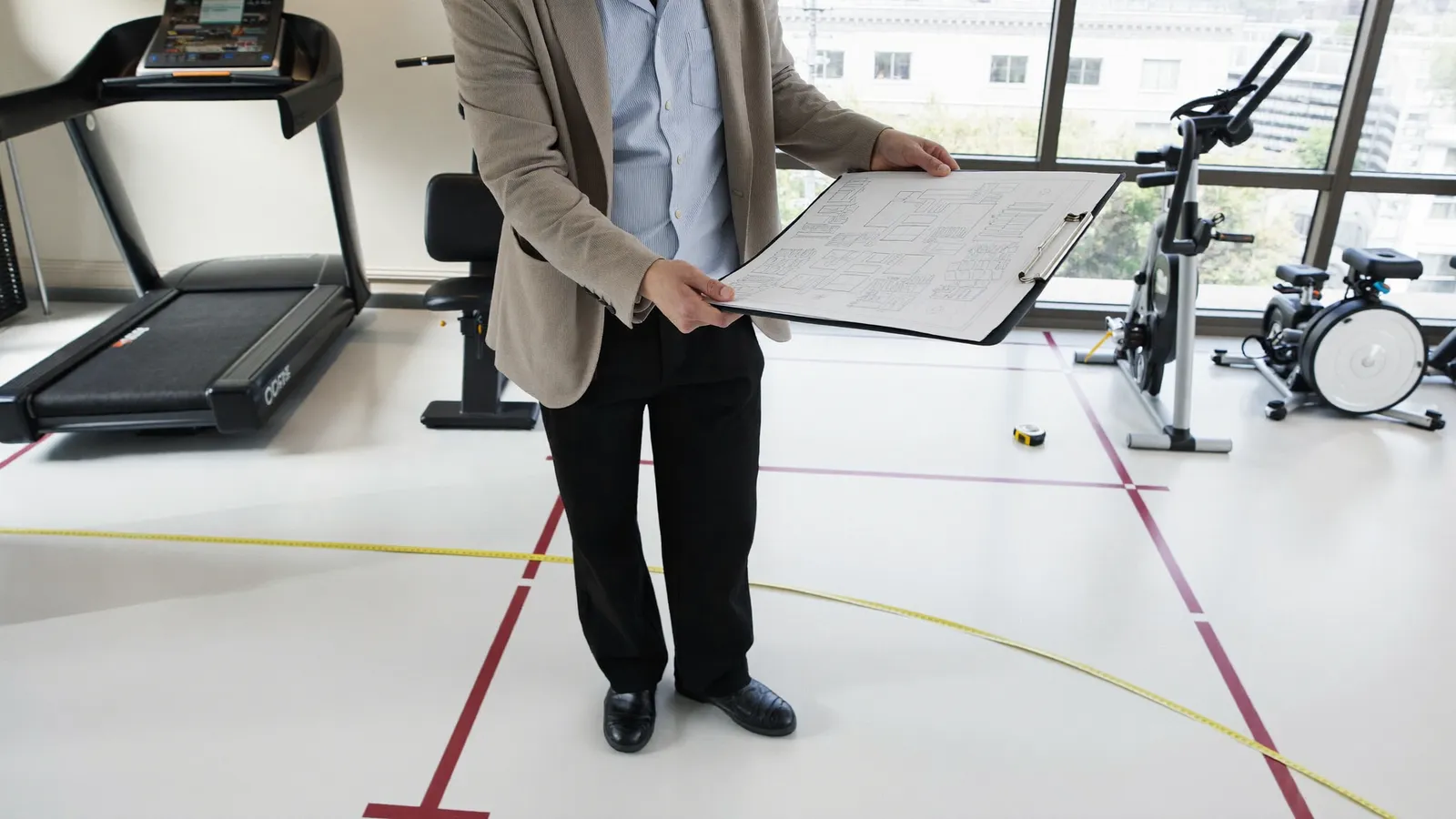
The cost of setting up a gym in Malaysia depends on a handful of drivers rather than a single sticker price: the type of venue and its floor size, the mix of machines you choose (plate-loaded, pin-loaded or cardio), whether the equipment is new or refurbished, your flooring, delivery and installation, and the ongoing maintenance you plan for. Because every space and every concept is different, New Era Fitness does not publish fixed prices — the honest way to get a real number is to share your floor plan and goals and ask for a tailored quote. This guide explains what actually pushes a gym budget up or down so you can plan with your eyes open.
Why there is no single price
Two gyms of the same floor area can cost very differently depending on the machines, the finishes and how the job is installed. A hotel or condo facility, a boutique studio and a full commercial club are three different briefs. That is why a good supplier quotes on your actual space and station list, not a generic package. The goal of budgeting is not to guess a number — it is to understand the levers so you can decide where to spend and where to hold back.
Budget by the drivers you control — venue, machine mix, new versus refurbished, and installation — not by a number you saw online.
The main cost drivers
A few factors move a gym budget more than anything else. Understanding them helps you shape the quote instead of just receiving it.
| Cost driver | What pushes it up | What keeps it down |
|---|---|---|
| Venue type and condition | Raw shell needing power, ventilation and reinforcement | Move-in-ready commercial unit with services already in |
| Floor size | More square metres to fill and finish | A tighter, well-planned layout with no wasted space |
| Machine mix | Many heavy plate-loaded and specialised stations | A focused core of essential, high-use machines |
| New vs refurbished | All-new, premium commercial equipment | Quality refurbished units mixed in where sensible |
| Flooring | Full heavy-duty rubber flooring across the whole floor | Rubber only in lifting zones, simpler finish elsewhere |
| Delivery and installation | Upper floors, tight access, heavy rigs and assembly | Ground-floor access and straightforward placement |
| Ongoing maintenance | Reactive, ad-hoc repairs after breakdowns | A planned servicing schedule from day one |
Venue and floor size
Your space sets the baseline. A unit that already has adequate power, ventilation and a solid floor costs far less to prepare than a bare shell that needs upgrades before a single machine arrives. Floor size then multiplies everything: more square metres means more equipment, more flooring and more work. Bigger is not automatically better — a tight, well-planned layout often delivers a stronger gym per ringgit than a large floor filled with machines nobody uses.
Machine mix: plate, pin and cardio
The blend of machine types is one of the biggest levers. Plate-loaded machines are heavy, robust and popular in strength-focused gyms. Pin-loaded selectorised machines are beginner-friendly and quick to use, which suits general memberships. Cardio equipment carries more electronics, which affects both price and long-term servicing. The right mix depends on who your members are — and duplicating your busiest stations to avoid queues will always add to the total. New Era carries 161 machines across plate loaded, pin loaded, cardio and racks & benches, so the mix can be tuned to your concept rather than forced into a fixed package.
New versus refurbished
Buying all-new premium equipment gives you the longest lifespan, the best warranty and the cleanest look, but it sits at the top of the budget. Good-quality refurbished units can stretch a starter or mid-tier fit-out a long way, especially for stations that see lighter use. Many smart owners mix the two — new where it matters most for durability and image, refurbished where it makes sense. The right balance is a conversation about your goals, not a fixed rule.
Flooring, delivery and installation
Flooring is easy to underestimate. Heavy-duty rubber in lifting and free-weight zones protects both the floor and the equipment, and covering the whole gym in it costs more than targeting the areas that need it. Delivery and installation are real costs too: moving heavy machines to an upper floor, working through tight access, and assembling rigs and cable stations all take time and manpower. This is where using a supplier who handles supply, installation and maintenance together — as New Era does — keeps the job coordinated instead of split across parties who blame each other when something goes wrong.
Think in cost per station and phases
A useful way to sanity-check a budget is to think in cost per station rather than one big lump. Break the plan into the stations your members actually need, then rank them. This makes it obvious where to spend for durability and where a simpler option is fine. It also opens the door to phasing: open with a strong core of essential equipment, then add stations as membership grows. Phasing spreads the cost, reduces risk, and lets the gym earn before you commit to the full fit-out.
Do not forget ongoing costs
Setup is only the start. Cardio electronics, cables, upholstery and moving parts all wear, and a planned servicing schedule is far cheaper than reactive repairs after a breakdown that also annoys your members. Factor maintenance into the budget from the beginning — our gym equipment maintenance guide explains what to plan for. If you are still at the licensing and planning stage, our guide to opening a gym in Malaysia walks through SSM, the local council and Bomba. Setting up a shared facility instead? See our condo gym equipment guide.
Match your spend to your revenue model
A budget only makes sense next to how the gym will earn. A membership club that fills every station at peak hours can justify duplicating popular machines and investing in durability, because downtime directly costs revenue. A condo, hotel or corporate facility that serves residents or staff has a different job — reliability and safety matter more than variety, so the spend concentrates on a dependable core. Deciding your revenue model first tells you which drivers to lean into and which to trim, and it keeps you from over-buying machines that look impressive but never pay for themselves.
How to get a real number
Because the drivers vary so much, the fastest route to an accurate figure is to share your floor plan, your concept and your must-have stations, and let a supplier quote against them. New Era Fitness has delivered 41 projects across seven states over six years for condos, hotels, corporate gyms, schools and commercial clubs, so the quote reflects real installation experience, not a template. You can also browse the full equipment range or check the FAQ first.