
Gym equipment maintenance is the routine servicing and repair that keeps commercial machines safe, working and presentable: checking and replacing worn cables, greasing bearings and pivots, re-tensioning and tightening bolts, and repairing or reupholstering worn pads. It matters because commercial equipment is used hard and unsupervised, and a frayed cable or loose bolt is a safety risk, not just an inconvenience. The most cost-effective approach is preventive, servicing on a schedule before things fail, and the strongest position is buying from a supplier who services what it sells. That is New Era Fitness's core differentiator.
Why maintenance matters more than people think
In a condo, hotel or commercial gym, equipment runs all day and often into the night, with nobody supervising. Cables stretch and fray, bearings dry out, bolts work loose from constant load cycling, and upholstery absorbs sweat until it splits. Left alone, a machine does not just look bad, it becomes unsafe: a cable that snaps under load or a seat that gives way is a genuine injury risk and a liability for whoever manages the facility.
For a JMB, a hotelier or a gym operator, maintenance is therefore about three things at once: keeping users safe, protecting an expensive asset, and keeping the facility presentable enough that residents and guests actually want to use it.
Maintenance is not what you do when a machine breaks, it is what you do so it never breaks in front of a user.
What routine servicing actually covers
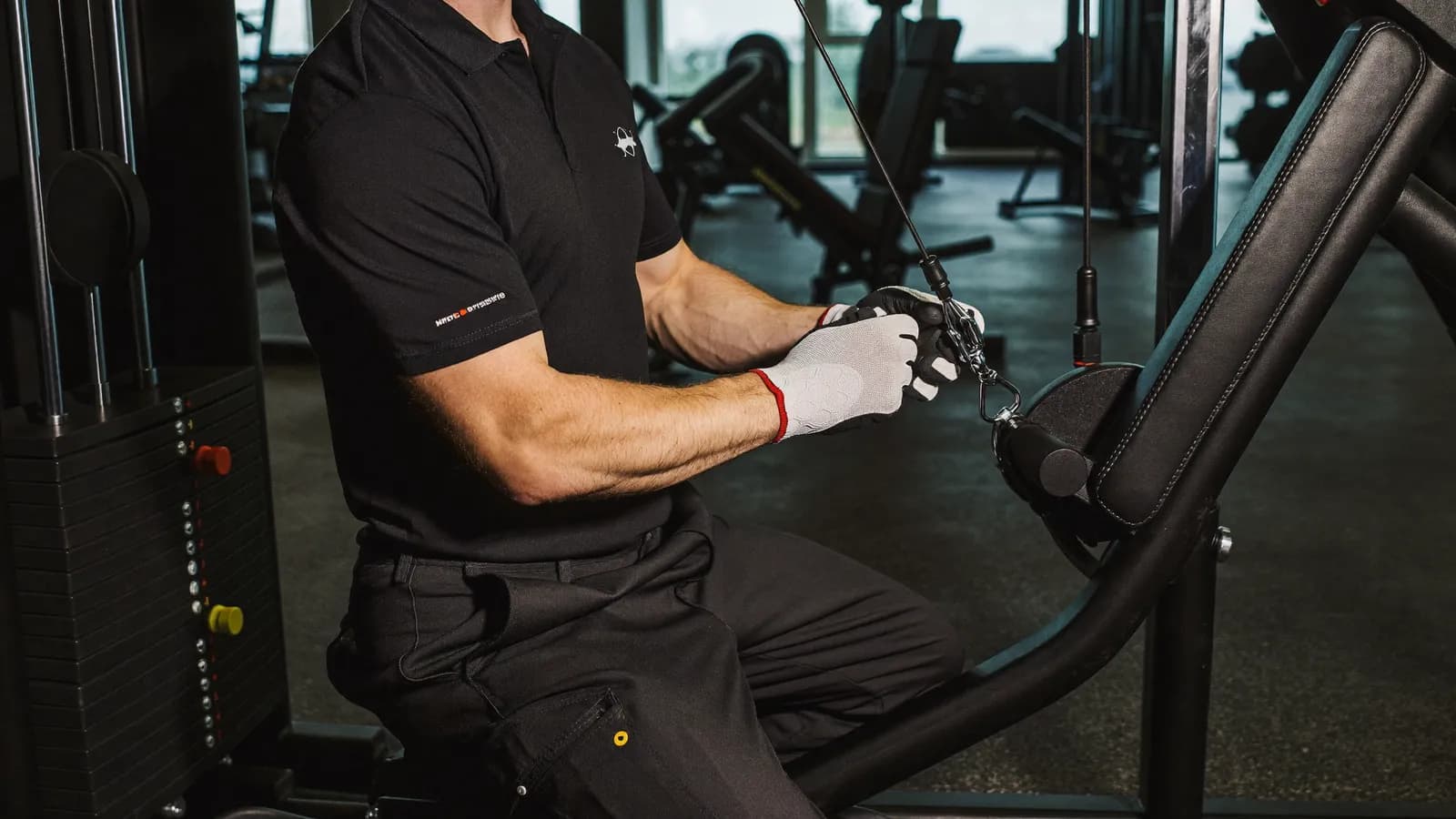
A proper service visit works through the parts that wear. On a typical strength and cardio floor that means:
- Cables: inspecting for fraying and stretch, checking end fittings, re-tensioning and replacing before they fail.
- Bearings, bushings and pivots: cleaning and greasing so movements stay smooth and quiet.
- Bolts and fasteners: re-torquing everything that loosens under repeated load, from seat brackets to frame joints.
- Upholstery: checking pads for splits and wear, repairing or reupholstering before foam is exposed.
- Weight stacks and guide rods: checking for smooth travel, worn pins and noisy stacks.
- Cardio: belts, decks, rollers and consoles inspected, cleaned and calibrated.
Each machine type has its own wear points, which is why servicing is done to a checklist rather than by eye. The range being serviced matters too, from pin-loaded and plate-loaded strength to cardio, each has different parts that need attention.
Preventive versus reactive
Reactive maintenance means waiting until something breaks and then fixing it. Preventive maintenance means servicing on a schedule so faults are caught early. Reactive always feels cheaper because you only pay when something goes wrong, but it costs more in practice: machines sit out of order waiting for parts, small problems become big ones, and users are the ones who discover the fault.
Preventive servicing on a regular cycle keeps the whole floor available and extends equipment life. For a hotel where a broken machine ends up in a guest review, or a condo where residents complain to the JMB, the case for preventive is straightforward.
| Preventive | Reactive | |
|---|---|---|
| When work happens | On a schedule, before failure | After a machine breaks |
| Downtime | Minimal, planned | Unplanned, often long |
| Who finds the fault | The technician | The user |
| Long-term cost | Lower | Higher |
Service contracts
A service contract puts preventive maintenance on autopilot: scheduled visits at agreed intervals, a checklist worked through each time, and a known point of contact when something does go wrong. For a JMB or a hotel, that turns gym upkeep into a predictable line in the maintenance budget instead of a series of emergencies. It also means the machines are looked after by people who know that specific equipment, rather than a general handyman guessing at an imported machine.
Refurbishment and reupholstery
Not every worn machine needs replacing. Frames on commercial equipment often outlast their upholstery and cables by years, so refurbishment, new pads, new cables, fresh bushings, can bring an old machine back to near-new condition for a fraction of replacement cost. New Era offers refurbishment and reupholstery as part of its service, which is especially useful for older condo gyms whose equipment looks tired but is structurally sound.
What to ask a supplier before you buy
Maintenance should be a buying question, not an afterthought. Before committing to any supplier, ask:
- Do you service what you sell, or only deliver it?
- Can you provide a scheduled service contract, and what does a visit cover?
- Can you supply spare parts, and how quickly?
- Do you offer refurbishment and reupholstery, or only replacement?
- Where are you based, and which areas do you cover?
The answers separate a genuine equipment partner from an importer who disappears after delivery. New Era Fitness is KL-based with six years in the trade and 41 projects across seven states, and it supplies, installs and maintains its own equipment, including refurbishment and reupholstery. That after-sales capability is the whole point of buying local. If you are still at the selection stage, the commercial gym equipment guide and the gym setup cost guide are the place to start, and coverage details are on the locations page.