

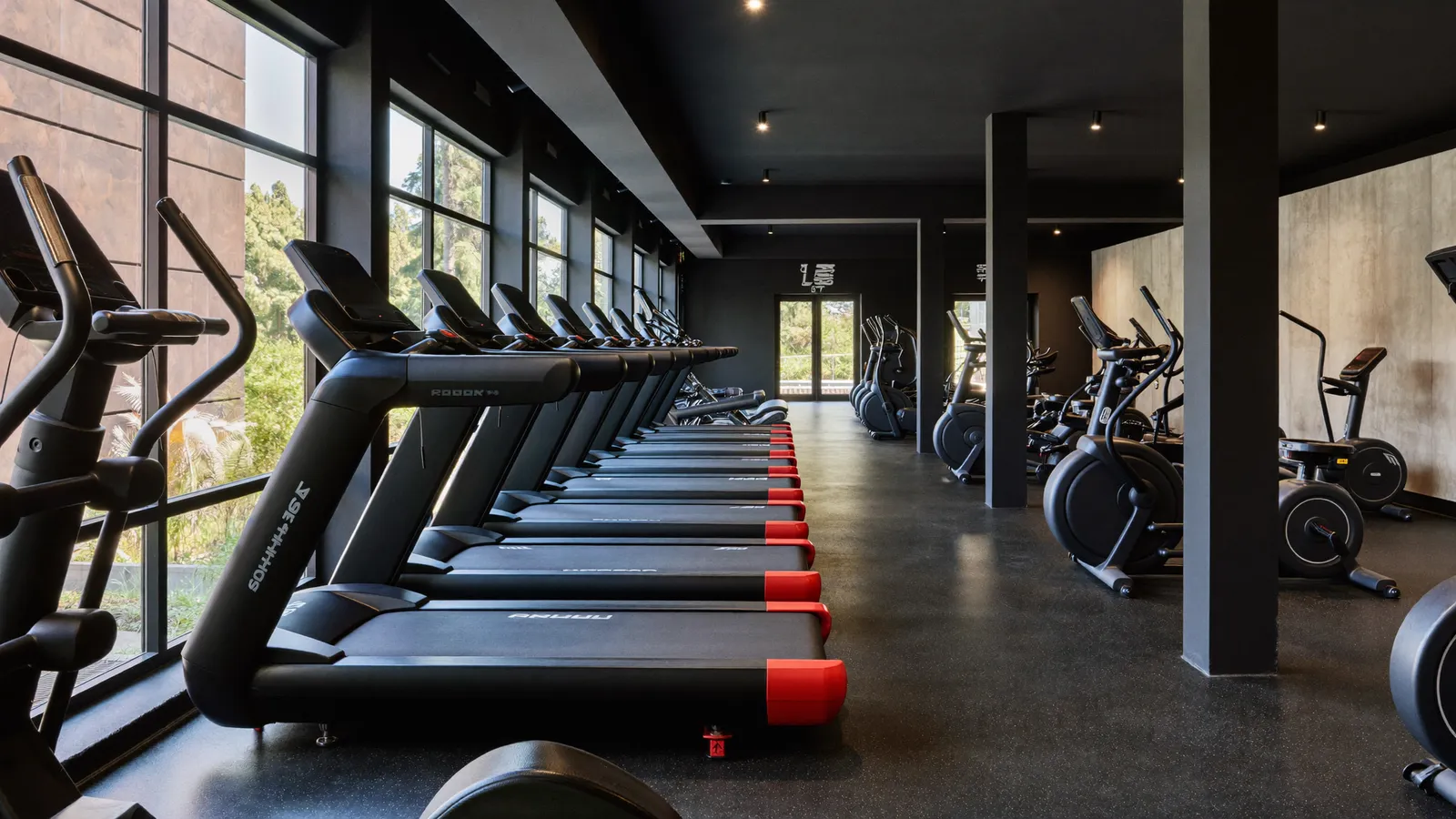
A commercial treadmill is built for continuous, all-day use by many different runners, with a stronger motor, a wider and more durable belt, and a more supportive deck than any home model. For Malaysian gyms, the right choice comes down to matching one of three tiers, Mirror Screen, Standard, or Heavy Duty self-generating, to your venue and traffic, then buying enough units and maintaining them properly. This guide covers all of it.
Commercial vs home treadmills
The temptation to save money with home-grade treadmills in a shared gym is understandable and almost always a mistake. A home treadmill is rated for light, occasional use by one household. Drop it into a condo amenity floor where it runs many hours a day and it will overheat, wear out, and fail early, often within a year or two, leaving you with downtime, complaints, and repeat replacement costs.
Commercial treadmills are engineered for a completely different duty cycle: continuous operation, heavier user weights, and years of hard service. That shows up in three components that matter most, the motor, the belt, and the deck.
A home treadmill in a shared gym is not a saving — it is a replacement cost waiting to happen.
Motor
The motor is the heart of the machine. Commercial motors are built to run for hours without overheating and to handle heavier runners at speed. A weak or under-rated motor is the first thing to fail under commercial load, so this is not the place to cut corners. Some heavy-duty commercial treadmills are self-generating, meaning the runner's own motion powers the machine, removing the mains-powered motor as a failure point entirely, which is ideal for the busiest floors.
Belt and deck
The belt is the running surface. Commercial belts are wider, thicker, and more abrasion-resistant so they survive constant footfall. The deck underneath provides cushioning that protects users' joints and absorbs impact; a good commercial deck keeps that support consistent over years of pounding. Together the belt and deck determine how the treadmill feels underfoot and how long it lasts before needing attention.
You can see New Era's full cardio lineup, treadmills included, on the cardio page.
The three cardio tiers
Not every venue needs the same treadmill. New Era groups commercial cardio into three tiers so you can match spend and specification to how the machine will actually be used.
| Tier | Display / power | Rated for | Best fit |
|---|---|---|---|
| Mirror Screen | Large HD touchscreen | Premium guest experience | Hotels, premium condos |
| Standard | LED display | Everyday commercial use | General commercial gyms |
| Heavy Duty (self-generating) | Self-powered, approx. 180kg rating | 24-hour high-traffic use | Busy clubs, round-the-clock floors |
Mirror Screen
The Mirror Screen tier carries a large HD screen for an immersive, premium workout. It is aimed at hotels and premium condos where the guest or resident experience and the look of the room matter as much as the run itself. If you are fitting out a five-star property, this is the tier that fits the finish, and our hotel gym equipment guide covers the wider premium setup.
Standard
The Standard tier uses a clear LED display and is built for everyday commercial gyms, reliable, straightforward, and durable without paying for a big screen most members will not use. For the majority of commercial floors and many condos, this is the practical workhorse. See the condo gym equipment guide for how it fits a residential amenity floor.
Heavy Duty self-generating
The Heavy Duty tier is self-generating and rated to around 180kg, built for 24-hour, high-traffic floors where treadmills never really rest. Because the runner powers the machine, there is no mains motor to burn out, making this the most rugged option for the busiest clubs. It is the tier to choose when reliability under relentless use is the top priority.
Match the treadmill to the traffic: a screen for hotels, a workhorse for gyms, a self-generating unit for floors that never sleep.
How many treadmills does a gym need?
There is no fixed formula, and it would be dishonest to invent one, because the right number depends on your floor size, membership, and peak-hour demand. The sensible way to decide is to think about how many people want cardio at your busiest time, not your quietest.
- A small condo or hotel gym may need only a couple of treadmills alongside other cardio like bikes and ellipticals.
- A busy commercial club needs enough units that members are not queuing at peak hours, which usually means a bank of treadmills plus mixed cardio.
- Always plan around peak demand and leave room for one unit to be out for service without crippling your cardio zone.
Treadmills are only one piece of the floor. For the full planning picture, including strength equipment, read the commercial gym equipment guide, and if you are weighing strength options, our guide on pin-loaded vs plate-loaded will help. You can also see delivered cardio zones on our projects page.
Maintenance keeps treadmills alive
Treadmills take the hardest, most continuous beating of any equipment on the floor, so maintenance is not optional, it is what protects both user safety and your investment. Neglected treadmills develop belt wear, deck damage, and motor strain that turn into expensive failures and, worse, safety risks for users.
- Keep belts clean and correctly tensioned, and lubricate the deck on schedule.
- Watch for unusual noise, slipping, or vibration, early signs something needs attention.
- Keep the area and the machine free of dust build-up, which shortens component life.
- Schedule regular professional servicing rather than waiting for a breakdown.
Our gym equipment maintenance guide sets out a practical schedule. New Era is KL-based and handles supply, installation, and ongoing maintenance in-house across the Klang Valley and beyond, so when a treadmill needs service you have a local team to call, not an overseas seller. You can also test the tiers in person at our showrooms, Everywhere Fitness at Netizen Cheras and Sungai Long.